From Frustration to Fascination: Exploring the Psychology of Everyday Design
During the summer of 2020, I was totally exhausted from dealing with the first lockdown and wrapping up my bachelor’s degree. It was definitely hot, over 40 degrees Celsius, and I desperately needed a cool and quiet place to escape to. That’s when I stumbled upon a bookstore. Honestly, I wasn’t really in the mood to buy anything because I had already read like ten different books while working on my final thesis. But then I spotted this book with an awesome cover: “The Psychology of Everyday Things” by Don Norman. I instantly bought it, and let me tell you, reading that book was a total trip. It blew my mind! Now, I want to share some of my thoughts and hopefully gain a clearer understanding of all the insights it has to offer.
“The Psychology of Everyday Things” presents a comprehensive exploration of how design influences our interactions with objects, systems, and technology. Through numerous real-world examples, Don Norman demonstrates the significance of design psychology in enhancing the usability and user experience.
One of the key takeaways from the book is the concept of affordances. Norman emphasizes that well-designed objects should provide clear and intuitive cues to users about their functionality and purpose. When affordances are properly utilized, users can effortlessly understand how to interact with an object without the need for complex instructions or trial-and-error. By highlighting the significance of affordances, Norman encourages designers to prioritize simplicity and clarity in their creations.
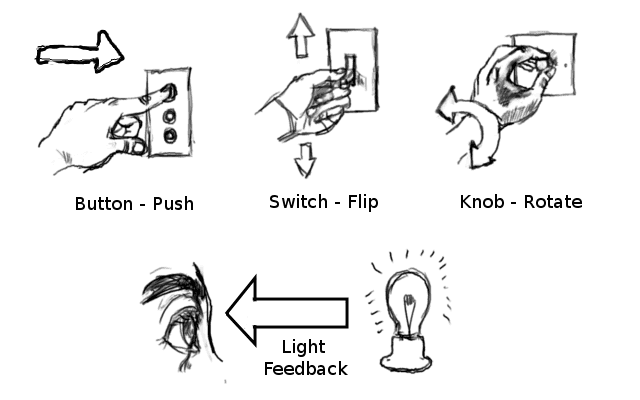
Norman also delves into the concept of feedback, emphasizing the importance of providing users with timely and informative feedback when interacting with products. He argues that feedback is essential for users to understand the outcome of their actions and make adjustments accordingly. Without effective feedback, users are left feeling uncertain and disconnected from the system. Norman’s insights on feedback prompt designers to prioritize providing clear and meaningful feedback to enhance user understanding and satisfaction.
Moreover, the book delves into the fascinating field of cognitive psychology and how it relates to design. Norman emphasizes that understanding the cognitive processes and limitations of users is crucial in creating designs that accommodate human cognition. By incorporating this knowledge into their work, designers can create products that align with users’ mental models, reducing frustration and increasing engagement.
First off, if you’re not familiar with design or psychology, some of the concepts might be a bit tricky to grasp at first. Norman dives deep into the nitty-gritty, and it can feel a tad overwhelming if you’re a newbie. But don’t worry! Take your time, and with a little effort, you’ll be able to wrap your head around the core ideas and apply them to your own experiences.
It’s worth mentioning that the book was originally published in 1988, so some of the examples and references might feel a bit dated. But don’t let that discourage you! The underlying principles of human-centered design and usability still hold true today. Just keep in mind that the world has changed a lot since then, and technology has advanced, so some of the specific examples may not be as relevant in today’s context.