Pressure Vessels: Engineering's Hidden Powerhouses
In the vast realm of engineering, the presence of pressure vessel equipment holds paramount importance. These robust containers, designed to store and transport fluids and gases under high pressure, serve a diverse range of industries and applications. From power generation and chemical processing to oil and gas exploration, pressure vessels play a pivotal role in ensuring safety, efficiency, and progress.
Ensuring Safety and Reliability
One of the primary reasons for the indispensability of pressure vessel equipment is its role in ensuring safety and reliability in numerous engineering applications. These vessels are engineered to withstand extreme pressure, temperature differentials, and corrosive environments. By employing rigorous design standards, material selection, and inspection procedures, pressure vessels are manufactured to minimize the risk of catastrophic failures. Their robust construction and stringent quality control measures mitigate potential hazards, safeguarding human lives, and protecting valuable assets.
Ensuring Safety and Reliability
Pressure vessels find extensive utilization in the power generation and energy industry, where they facilitate the production of electricity, steam, and heat. Steam generators, boilers, and condensers are prime examples of pressure vessels utilized in power plants. They efficiently convert thermal energy into mechanical energy, enabling turbines to generate electricity. Additionally, pressure vessels play a crucial role in energy storage systems, such as compressed air and hydrogen storage, which contribute to the advancement of renewable energy technologies.
Chemical Processing
Pressure vessels are indispensable in chemical processing, where they handle volatile substances and intricate reactions under specific pressure and temperature conditions. These vessels provide a controlled environment for chemical reactions, enabling the synthesis of various compounds, including pharmaceuticals, polymers, and fertilizers. Moreover, pressure vessels facilitate separation processes, such as distillation and fractionation, by providing the necessary pressure differentials for component separation, thereby enhancing productivity and optimizing resource utilization.
Oil and Gas Industry
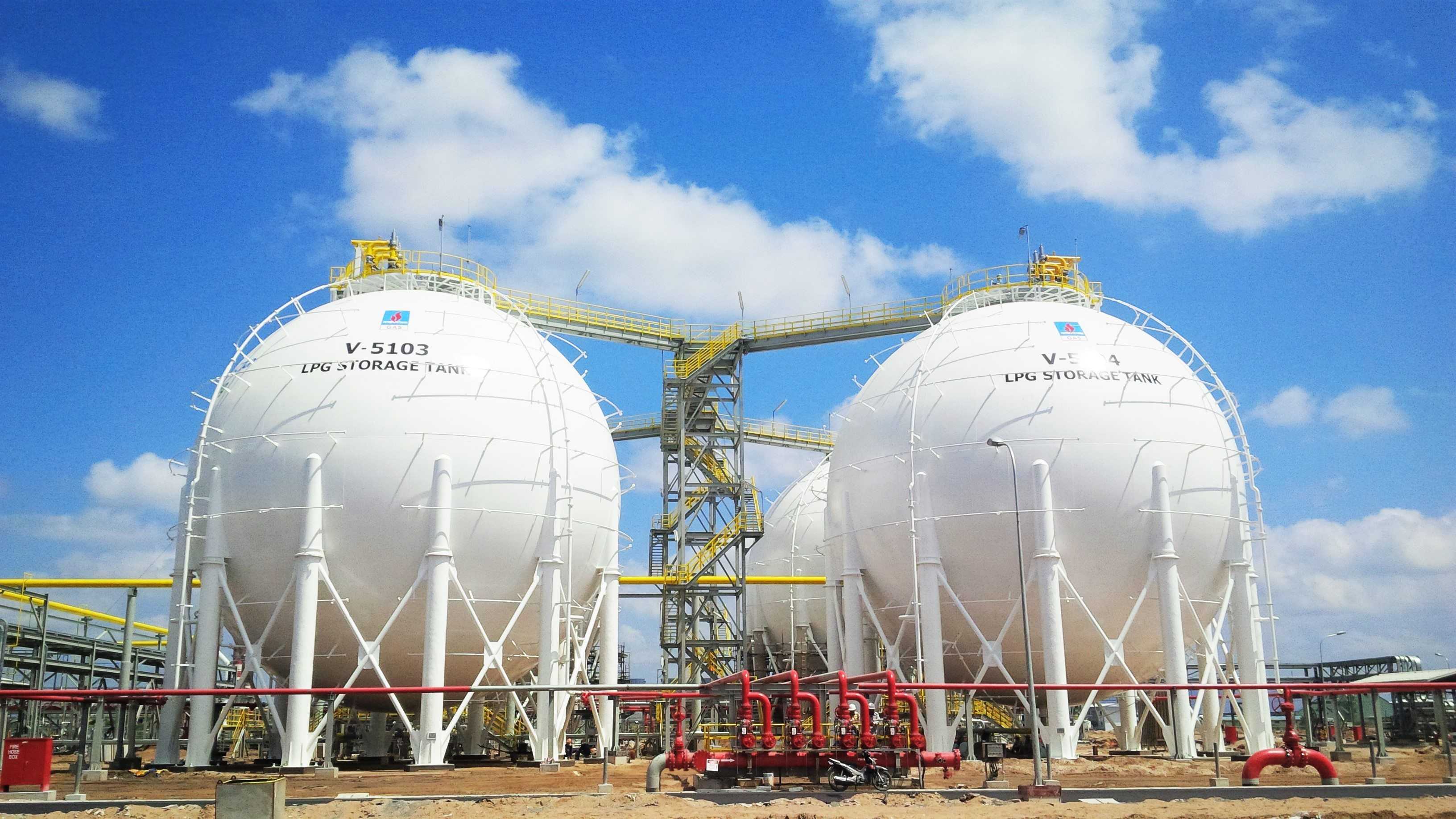
In the oil and gas industry, pressure vessels play a critical role in exploration, production, and refining operations. They are employed for the storage and transportation of hydrocarbons, as well as the refining of crude oil into valuable products. Pressure vessels, such as storage tanks and reactors, facilitate the separation, purification, and conversion of crude oil and natural gas. Furthermore, offshore drilling platforms rely on pressure vessels for extracting oil and gas from deep-sea reserves, contributing to global energy supply.
Industrial Manufacturing and Infrastructure
Pressure vessels have a significant impact on industrial manufacturing and infrastructure development. They are utilized in manufacturing processes like metal fabrication, automotive, aerospace, and shipbuilding industries, where they aid in heat treatment, curing, and shaping of materials. Additionally, pressure vessels are essential components in infrastructure projects such as water treatment plants, wastewater management systems, and desalination plants, ensuring efficient operation and safe distribution of vital resources.
Pressure vessel equipment represents a vital pillar of the engineering world, contributing to a wide range of industries and applications. With their emphasis on safety, reliability, and efficiency, these vessels enable the exploration, production, and refinement of resources while supporting the generation of energy and manufacturing of critical products. As technology advances and global challenges evolve, pressure vessel equipment continues to play an increasingly crucial role in driving progress and innovation, reinforcing its importance in the world of engineering.